St John Ambulance
Donate

Life-threatening bleed

Dr Lynn Thomas, OStJ, BSc, MB.BS, MA, FRCPClinically reviewed: 28/04/2025

A severe bleed is likely to be slowed with pressure and usual bleeding treatments, a life-threatening bleed will not.

What is life-threatening bleeding?

A severe bleed is likely to be slowed with pressure and usual bleeding treatments, a life-threatening bleed will not. A life-threatening bleed is extreme bleeding likely to cause death in minutes​.

In these cases, you may need to stop the flow of blood using a haemostatic dressing, tourniquet or improvise a tourniquet following the instruction of Ambulance control if you do not have a haemostatic dressing or tourniquet available.​

Injuries requiring such treatment are most likely following a gun shot, stabbing, power tool accident, or serious road traffic incident.​

Signs that bleeding is life threatening:

  • Blood is pumping from the wound​

  • The bleeding cannot be stopped or slowed with pressure​

  • Blood is quickly soaking through bandage after bandage​

Haemostatic dressings

A haemostatic dressing can be used on a life-threatening wound to the head, neck, chest or abdomen. There are some cautions, but remember you will be on the phone to Ambulance control so follow their guidance.

What to do using a haemostatic dressing

  1. 1

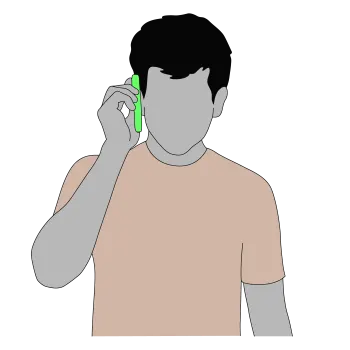
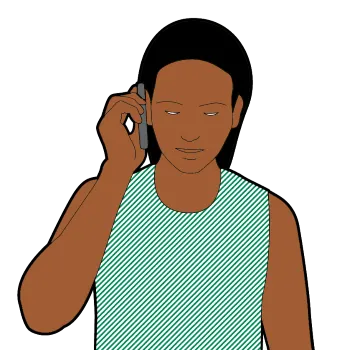
    Immediately call 999 or 112 for emergency help. Follow the instructions of Ambulance control.

  2. 2

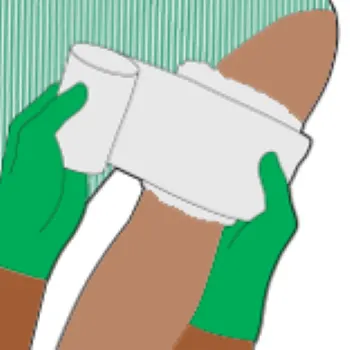
    Dress the wound.

    • Place the pad over the wound and hold tightly in place for a minimum of five minutes, in some instances the dressing may need to be packed tightly into the wound.

  3. 3

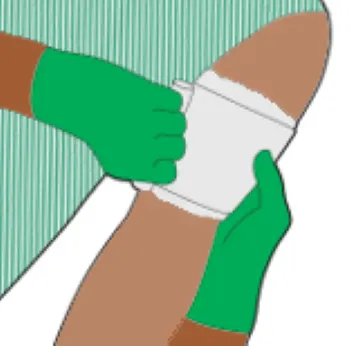
    Secure the dressing.​

    • Secure the dressing in place with the bandage, this may be attached or may be separate. They often have a Velcro strip to help you secure it tightly in place.

  4. 4

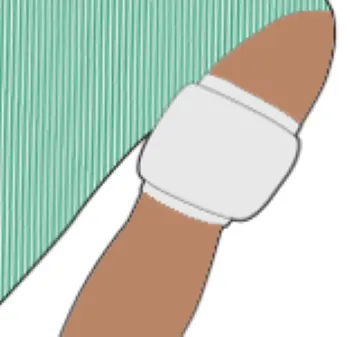
    Monitor until medical assistance arrives.​

    • Recheck the dressing and monitor the casualty until the ambulance arrives.

Tourniquets

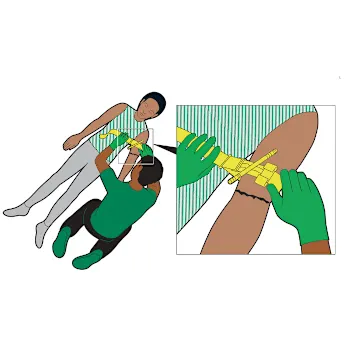
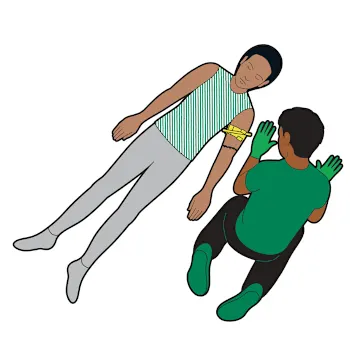
A tourniquet may be used to stem catastrophic limb bleeding where severe damage has occurred, such as an amputation or blast injury. It may also be required for rapid control of bleeding where either the patient or clinician is in danger, to stop bleeding before moving to safety. Other than in these circumstances, most bleeding will be manageable with direct pressure. If you have tried this, and severe bleeding continues, then a tourniquet may be required

You should consider their use carefully as it is likely to be painful for the casualty and you should inform them that it will be painful. As with the haemostatic dressings, if you are in any doubt you should ask the advice of Ambulance control. Once a tourniquet is applied it should not be loosened as the bleeding will start again.​

What to do using a tourniquet

  1. 1

    Immediately call 999 or 112 for emergency assistance. Follow the instructions from Ambulance control.

  2. 2

    Place tourniquet around limb.​

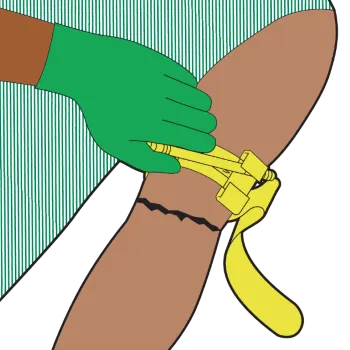
    • Place the tourniquet around the limb close to and above the injury. If you can place it below the elbow or knee, this is best. It should never be placed on a joint.

  3. 3

    Tighten the strap.​

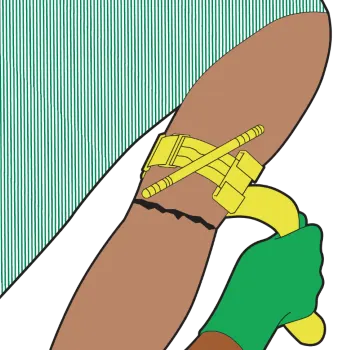
    • Pull the strap tight - you should not be able to get three fingers under the band once it is tight. Wrap the tail of the strap around the limb.

  4. 4

    Tighten the rod.​

    • Tighten the rod by twisting it until the bleeding stops, and secure it in place using the rod clip. If needed, a second tourniquet can be applied alongside and above the first one.

  5. 5

    Monitor until medical assistance arrives.​

    • Record the time on the time tab (if available) and monitor your casualty until the ambulance arrives.

Improvised tourniquets

If you do not have a tourniquet, you can use items such as a triangular bandage, a scarf, or tie, and use a pen, a fork, or a Tourni-Key (if you have one) for the rod. A belt pulled tight can also work.​

You should consider their use carefully as it is likely to be painful for the casualty and you should inform them that it will be painful. As with the haemostatic dressings. if you are in any doubt you should ask the advice of Ambulance control. Once a tourniquet is applied, it should not be loosened as the bleeding will start again.​

What to do using an improvised tourniquet

  1. 1

    Immediately called 999 or 112 for emergency help. Follow the instructions of Ambulance control.

  2. 2

    Ensure the casualty knows you are applying a tourniquet and that it will hurt when you tighten it​.

    Wrap the material around the limb and cross over the ends.

  3. 3

    Tie in the rod/Tourni-Key with a knot.

  4. 4

    Twist the rod to stop the bleeding​.

  5. 5

    Secure the rod or hold it in place.​

Related first aid advice

If you're looking for more than just advice